Flats vs Drums: Which Should You Choose?
A practical head-to-head comparison of Flats and Drums, covering quick verdict, key differences, category winners, buyer fit, and FAQ.
Flats vs Drums: Which Should You Choose?
Head-to-head comparison
Overall winner: Flats for their sleek profile, enhanced comfort, and contemporary appeal in fine jewellery designs.
Flats offer a refined, low-profile aesthetic, ideal for everyday wear and modern designs, ensuring comfort and minimising snagging. Drums, with their robust, cylindrical form, provide a distinctive visual weight and tactile quality, making them an excellent choice for statement pieces, bespoke creations by makers, and when a bolder, more textured look is desired.
Head-to-Head Scorecard
In the nuanced world of fine jewellery, gemstones, and meaningful gifts, the choice between different forms and cuts can profoundly impact a piece's aesthetic, wearability, and longevity. The "Flats vs Drums" comparison delves into two distinct approaches to jewellery components and gemstone cuts: those defined by a sleek, low-profile surface (Flats) and those characterised by a cylindrical or barrel-like volume (Drums). This comparison is based on extensive product research, official manufacturer information, public buyer feedback patterns, and expert editorial analysis, rather than hands-on testing.
Flats vs Drums: Key Differences
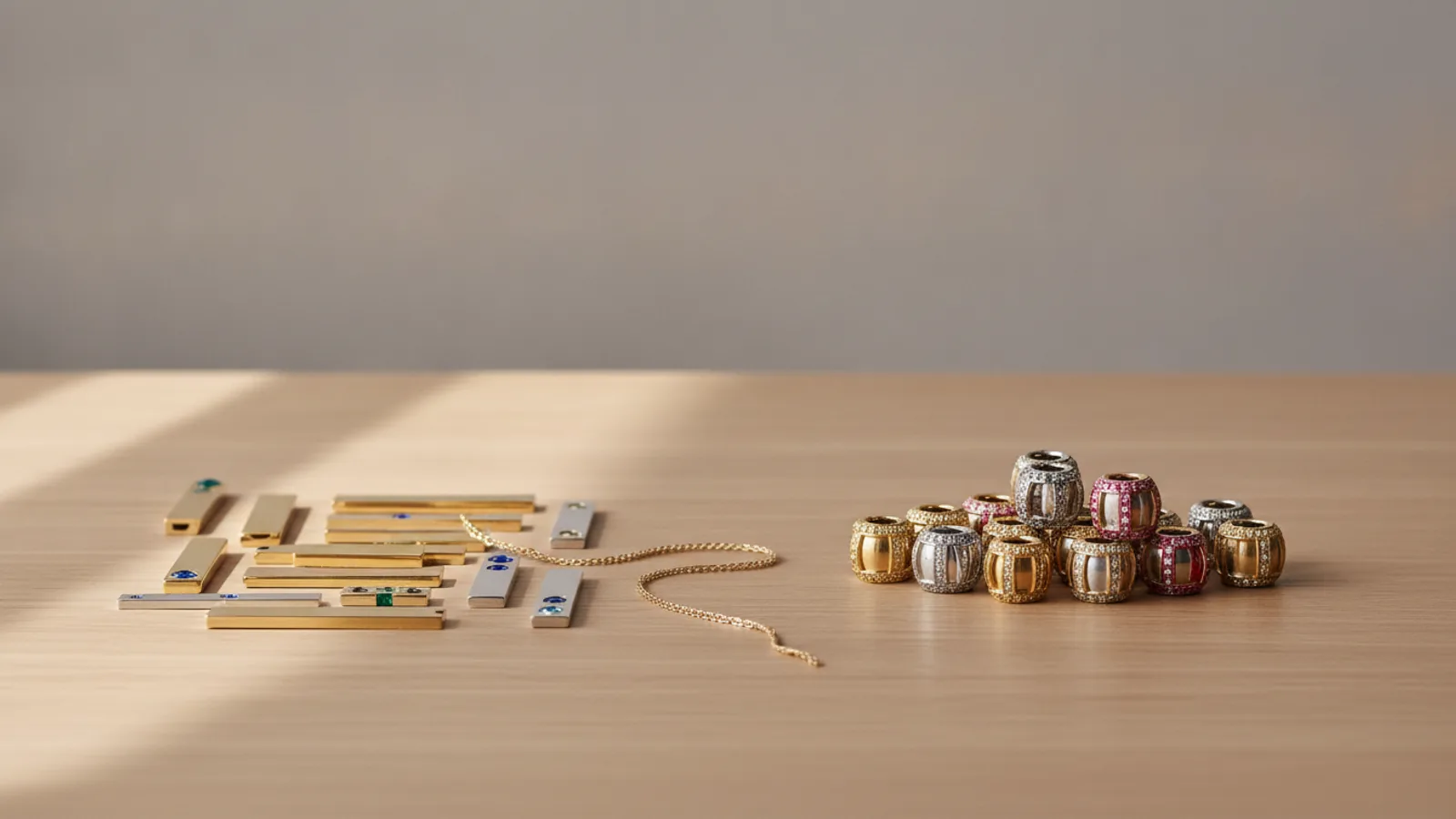
The primary distinction between Flats and Drums lies in their physical geometry and the design implications stemming from it. Flats, encompassing elements like flat-backed cabochons, sleek disc beads, or low-profile gemstone cuts, prioritise a flush, smooth surface. This design choice often results in pieces that sit close to the skin, offering enhanced comfort and a modern, understated elegance. They are less prone to snagging on clothing and tend to integrate seamlessly into a wearer's daily life.
Drums, conversely, refer to components and gemstone cuts with a distinct cylindrical or barrel shape. This includes various types of beads, carved gemstone elements, or even specific metal forms. Their inherent volume provides a bolder visual presence and a tactile quality that can be highly engaging. Drums often lend themselves to more sculptural or textured designs, making them popular for statement pieces or as focal points in strung jewellery. Their three-dimensional nature means they typically project further from the body, offering a different kind of interaction with light and space.
For makers, the differences extend to crafting techniques. Flats are often chosen for bezel settings, inlay work, or designs where a seamless, uninterrupted surface is key. Their stability on a flat plane makes them ideal for creating cohesive compositions. Drums, by their nature, are perfectly suited for stringing, beading, or incorporating into modular designs where their individual form contributes to a larger, rhythmic pattern. The hole orientation, whether central or axial, further dictates their flow and movement within a design.
Ultimately, the choice between Flats and Drums is a deliberation between understated elegance and bold presence, between seamless wearability and deliberate tactile interaction. Each offers unique advantages depending on the desired aesthetic, the intended use of the jewellery piece, and the preferences of the wearer or maker.
Measurement Winners for Flats vs Drums
Measurement
Routine Fit and Comfort
When considering jewellery for everyday wear, routine fit and comfort are paramount. Flats, by virtue of their low profile and smooth, often flush-fitting design, excel in this category. A flat-backed gemstone in a bezel setting on a ring, for instance, minimises the chances of catching on clothing or other objects, making it a practical choice for constant wear. Flat components in necklaces or earrings often lie smoothly against the skin, reducing irritation and providing a sense of seamless integration. This unobtrusive nature contributes significantly to overall wearer comfort, allowing the jewellery to become a natural extension of the individual rather than a cumbersome accessory.
Measurement
Aesthetic Versatility and Statement Impact
For those seeking to make a distinct visual statement or incorporate unique textural elements into their jewellery, the inherent three-dimensionality of Drums offers considerable advantages. While Flats provide a sleek, modern, and often minimalist aesthetic, Drums bring a robust, sculptural quality that naturally commands attention. Drum-shaped beads or cylindrical gemstone cuts can be used to create bold necklaces, tactile bracelets, or eye-catching earrings. Their volume allows for interplay with light from multiple angles, creating dynamic reflections and shadows that flat surfaces might not achieve. For makers, the ability to combine various drum shapes, materials, and sizes opens up a vast realm of creative possibilities, allowing for highly individualised and impactful designs. The strong visual presence of drums makes them exceptional for pieces intended to be focal points or to convey a sense of gravitas and unique character.
Measurement
Ease of Integration for Makers
For artisan jewellers and hobbyists creating meaningful gifts, the ease with which components can be integrated into diverse designs is a crucial factor. Flats, particularly flat-backed cabochons or disc-shaped elements, are exceptionally easy to set in bezel or flush mounts, providing a secure and polished finish. They also lend themselves well to inlay techniques or creating smooth, layered compositions. Drums, however, truly shine in designs involving stringing, wire wrapping, or modular assembly. Their inherent cylindrical shape is perfect for threading onto cords, chains, or wires, allowing for the creation of bracelets, necklaces, and kinetic earrings with a distinct flow. The uniform shape of many drum beads makes it simple to achieve rhythmic patterns and intricate arrangements, offering a different kind of versatility that is highly valued by those who build pieces from individual components. Therefore, while Flats are simpler for certain setting types, Drums offer greater adaptability for construction-based jewellery making.
Measurement
Perceived Value and Investment Potential
In the realm of fine jewellery, perceived value and investment potential are often influenced by classical aesthetics, rarity, and durability. While both forms can be crafted from valuable materials, Flats often align more closely with traditional and contemporary fine jewellery designs that prioritise sleekness and a protected gemstone or surface. Gemstones cut with a flat table or flat back, particularly diamonds or other precious stones, are frequently seen in engagement rings and high-end pieces, where their secure, low-profile setting minimises wear and potential damage. This contributes to their perceived longevity and enduring appeal. Drums, while offering artistic value and uniqueness, might be perceived differently in terms of long-term investment in classic jewellery markets, although their specific material (e.g., rare carved jade drums) can significantly elevate their value. For everyday wear and classic elegance, the robust protection and timeless aesthetic often associated with Flats can translate to stronger value retention in the mainstream fine jewellery market.
Measurement
Durability and Protection
The form of a jewellery component or gemstone cut significantly impacts its susceptibility to damage. Flats, especially when set flush or in a protective bezel, generally offer superior durability and protection for the material. A flat-backed cabochon, for example, is inherently less exposed to knocks and impacts compared to a protruding, multi-faceted gemstone. When a flat surface is set within a metal frame, the edges are largely shielded, reducing the risk of chipping or abrasion. Drums, due to their three-dimensional and often exposed surface area, can be more vulnerable to impact, especially if they are strung loosely or have sharp edges. While well-crafted drums from durable materials can withstand considerable wear, the design principles of Flats often lend themselves to more inherently protected settings, making them a more robust choice for items intended for daily, uninhibited use.
Choose Flats If
- You prioritise comfort and everyday wearability. Flats sit close to the skin, minimising snagging and offering a smooth feel that integrates seamlessly into daily life.
- You prefer a minimalist, sleek, and contemporary aesthetic. The clean lines and low profile of flats align perfectly with modern design sensibilities.
- You are looking for enhanced protection for gemstones. Flat-backed or table-cut gems, when set appropriately (e.g., bezel or flush), are less exposed to impacts and potential damage.
- You appreciate understated elegance and subtle luxury. Flats often convey a sense of quiet sophistication without overwhelming the wearer.
- You desire a piece that will complement a wide range of outfits and occasions. Their versatile and unobtrusive nature makes them highly adaptable.
- You are a maker focused on inlay work or flush-set designs. Flats provide an ideal surface for these intricate techniques.
Choose Drums If
- You want to make a bold visual statement. The volume and distinct shape of drums naturally draw attention and create a focal point.
- You are drawn to textural, sculptural, or organic aesthetics. Drums offer a tactile quality and a dynamic interplay of light and shadow.
- You are a maker creating strung jewellery, beaded designs, or modular pieces. Drums are perfectly suited for threading and building rhythmic patterns.
- You value uniqueness and a handcrafted feel. Many drum-shaped components, particularly carved gemstones, showcase artisan skill and individual character.
- You desire a piece with a more traditional, bohemian, or robust presence. Drums can evoke a sense of history, earthiness, or bold personal expression.
- You appreciate jewellery that engages the senses beyond sight, offering a tactile experience. The rounded forms are often pleasant to touch.
Final Verdict: Flats vs Drums
The choice between Flats and Drums ultimately hinges on a balance of aesthetic preference, functional priority, and the intended purpose of the jewellery. For those seeking jewellery that embodies modern elegance, provides superior comfort for daily wear, and offers enhanced protection for valuable materials, Flats emerge as the stronger contender. Their sleek profile and understated sophistication make them a versatile and timeless addition to any collection, aligning perfectly with a life that values considered, enduring beauty.
However, the unique appeal of Drums cannot be overlooked. For individuals and makers who prioritise bold self-expression, a tactile experience, and the creation of statement pieces with distinct character, Drums offer an unparalleled opportunity. They allow for a more sculptural approach to jewellery, lending themselves to intricate beading, modular designs, and pieces that truly stand out. While they may require slightly more consideration regarding snagging or bulk for continuous wear, their visual impact and creative versatility are undeniable.
Ultimately, neither is inherently superior; rather, they serve different, equally valid, facets of personal style and jewellery craftsmanship. We recommend Flats for their broad appeal in fine, everyday jewellery, but enthusiastically endorse Drums for those who wish to venture into more distinct and visually rich territory.
Flats vs Drums: Which Should You Choose? FAQ
What are "Flats" in the context of jewellery?
In jewellery, "Flats" generally refer to components or gemstone cuts that have a flat or low-profile surface. This can include flat-backed cabochons, sleek disc beads, table-cut gemstones, or thin, geometric metal elements. They are chosen for their comfort, modern aesthetic, and ability to sit flush against the skin or in a setting.
What are "Drums" in the context of jewellery?
"Drums" in jewellery refer to components or gemstone cuts that are cylindrical or barrel-shaped. This includes various forms of drum beads, cylindrical carved gemstones, or tube-like metal components. They are often selected for their bold visual weight, tactile quality, and versatility in strung or modular designs.
Which is more comfortable for everyday wear, Flats or Drums?
Flats are generally more comfortable for everyday wear. Their low profile and smooth surface reduce the likelihood of snagging on clothing or getting caught, allowing them to integrate more seamlessly into daily activities without discomfort.
Which option is better for making statement jewellery?
Drums are typically better for making statement jewellery. Their inherent volume and distinct, three-dimensional shape naturally draw attention and allow for bolder, more sculptural designs compared to the understated elegance of Flats.
Are Flats or Drums more durable for gemstones?
Flats can offer better durability for gemstones, especially when set in protective bezel or flush mounts. The flat surface and often low-profile setting reduce the exposure of the gemstone to impacts, lessening the risk of chipping or damage compared to more protruding, volumetric forms.
Which form offers more versatility for jewellery makers?
Both forms offer distinct versatility. Flats are ideal for makers focusing on flush settings, bezel work, or inlay designs. Drums, however, excel in stringing, beading, and creating modular or kinetic designs, offering greater adaptability for construction-based jewellery making.