Slacks vs Trousers: Which Should You Choose?
A practical head-to-head comparison of Slacks and Trousers, covering quick verdict, key differences, category winners, buyer fit, and FAQ.
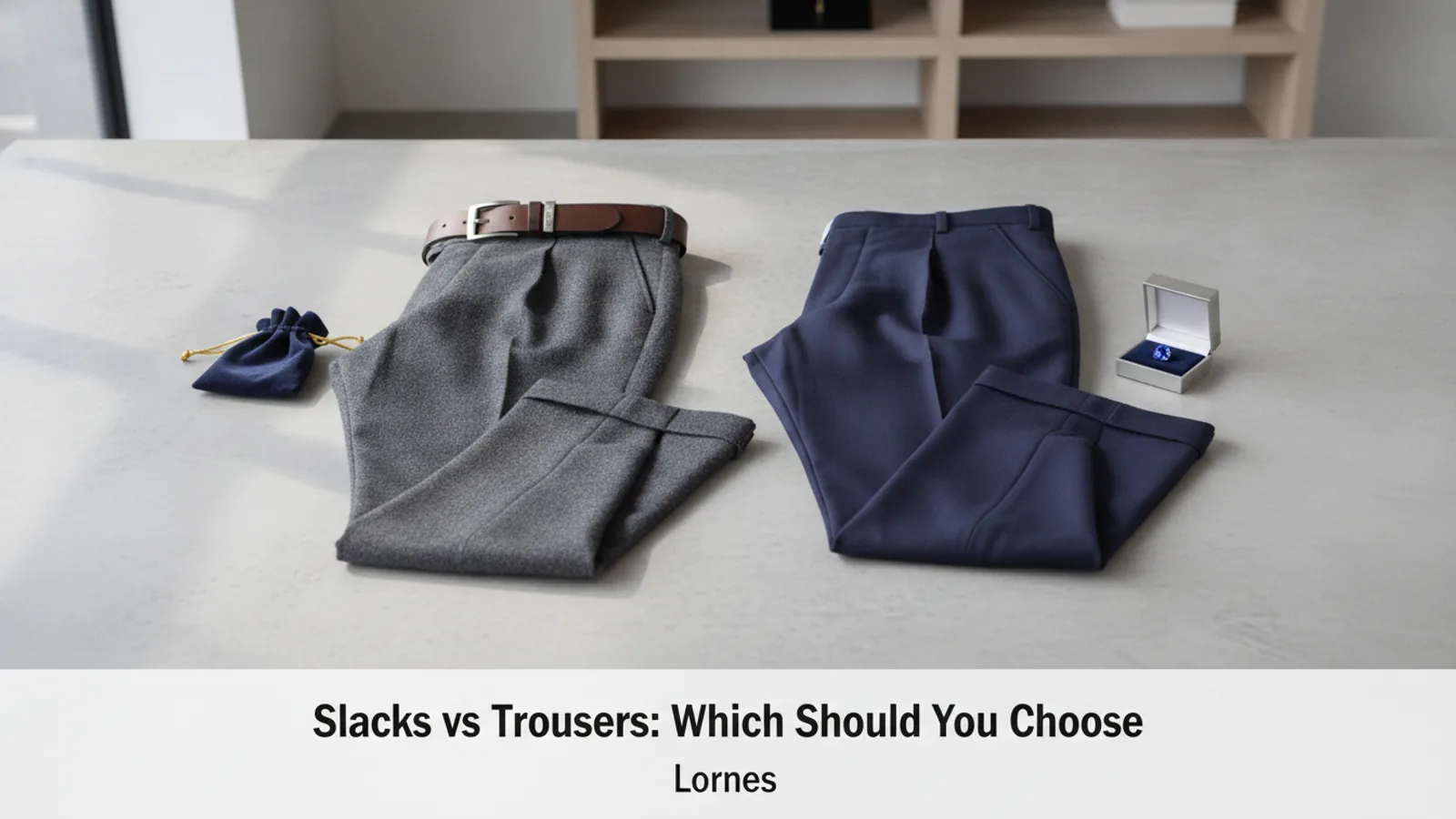
Slacks vs Trousers: Which Should You Choose?
Head-to-head comparison
Overall winner: Trousers for their foundational versatility and enduring sartorial relevance.
Trousers offer a more structured, traditionally formal, and inherently versatile option for a considered wardrobe, suitable for a wider range of occasions from professional to smart-casual. Slacks, while increasingly sophisticated, lean towards relaxed elegance and comfort, excelling in less formal settings and modern, casual-chic ensembles. Choosing between them depends primarily on your intended use, desired level of formality, and personal comfort preferences in 2026.
Head-to-Head Scorecard
This comparison of slacks vs trousers is based on extensive product research, analysis of official manufacturer information, public buyer feedback patterns, and our editorial category expertise. No direct hands-on testing was conducted for this specific article.
Slacks vs Trousers: Key Differences
The distinction between slacks and trousers, while historically clear, has become increasingly nuanced in contemporary fashion. Broadly, trousers are understood as a more formal, structured garment, often forming part of a suit or tailored ensemble. They typically feature precise tailoring, specific pleats or creases, and are made from robust, high-quality fabrics such as wool, suiting blends, or linen, intended for business, formal, or smart-casual wear.
Slacks, on the other hand, traditionally referred to a less formal, more comfortable style of casual trousers. The word "slacks" itself implies a 'slack' or relaxed fit. Historically, they were made from lighter, more informal fabrics like cotton, corduroy, or softer blends, prioritising ease of wear over strict formality. However, the modern interpretation of slacks has broadened considerably. Many contemporary 'slacks' are now crafted with sophisticated fabrics and tailored details, bridging the gap between purely casual and business-casual attire. They often feature less rigid construction, sometimes omitting pleats or sharp creases, and are designed for a more comfortable, adaptable fit.
In essence, while both are categories of legwear, trousers generally denote a more structured, formal heritage, whereas slacks lean into comfort, flexibility, and a more relaxed, albeit potentially smart, aesthetic. The choice between them often hinges on the specific occasion, the desired level of sartorial precision, and individual comfort preferences.
Measurement Winners for Slacks vs Trousers
Measurement
Definition and Historical Context
The journey of understanding "slacks vs trousers" begins with their historical definitions. Trousers, deriving from the Old French "trousses," have been a staple of Western menswear for centuries, evolving from functional attire into highly structured garments. Historically, trousers were designed to be durable, often part of uniforms or formal dress, demanding a precise fit and robust materials. Their construction frequently includes features like waistband extensions, specific pocket styles, and pressed creases, all contributing to a sharp, formal silhouette.
Slacks emerged later, primarily in the early 20th century, as a response to a growing desire for more relaxed and comfortable clothing, particularly for leisure activities. The term "slacks" literally points to their defining characteristic: a looser, 'slack' fit compared to the more rigid trousers of the era. They were initially popularised for sports and casual wear, featuring less structured waistbands, simpler cuts, and often made from softer, more forgiving fabrics. Over time, as fashion evolved, so too did slacks, with designers incorporating more refined elements. Today, while some slacks retain their ultra-casual roots, many have been elevated to a point where they are almost indistinguishable from dress trousers in terms of fabric and finish, but still carry the inherent design philosophy of comfort and relaxed wear.
Measurement
Fabric and Construction
The material and construction methods employed are fundamental differentiators between slacks and trousers, significantly impacting their drape, feel, and intended use. Trousers, especially those designed for formal or business wear, are typically crafted from premium, natural fibres or sophisticated blends. Common materials include worsted wool, flannel, tweed, and high-quality linen, often with a tighter weave that lends itself to a crisp finish and excellent crease retention. The construction of trousers is usually more intricate, featuring a structured waistband, sometimes with interior lining, precise seaming, and often a full lining through the leg for comfort and durability. Details like pleats (single or double), cuffs, and specific pocket treatments (e.g., jetted pockets) are common, all contributing to a tailored and polished appearance. This meticulous construction makes them inherently more resistant to wrinkling and capable of maintaining a sharp line throughout the day.
Slacks, conversely, have historically embraced a wider, more relaxed range of fabrics. Cotton, including twill and chino cloth, corduroy, rayon, polyester blends, and various stretch fabrics are frequently used. These materials are often chosen for their comfort, breathability, and ease of care, sometimes at the expense of formal drape. Modern slacks, however, have seen an upgrade in fabric quality, with stretch wool blends, refined cotton sateens, and luxurious Tencel often appearing. The construction of slacks tends to be less rigid than traditional trousers. Waistbands might be softer, elasticated, or feature drawstrings for comfort. Seaming might be simpler, and lining is less common or partial. While some contemporary slacks now feature smart tailoring and creases, their inherent design ethos prioritises comfort and freedom of movement, often resulting in a softer silhouette that drapes more casually.
Measurement
Fit and Silhouette
The perceived fit and resulting silhouette are crucial factors in distinguishing between slacks and trousers, profoundly influencing how they look and feel when worn. Trousers are traditionally characterised by a more precise, tailored fit. They are designed to sit cleanly on the waist, with a well-defined seat and a leg that tapers or falls straight with minimal excess fabric. Common trouser fits include classic straight-leg, slim-tapered, and sometimes wider, more traditional cuts, all designed to create a sharp, intentional line. Creases, whether pressed or inherent to the fabric's structure, are a hallmark of trousers, adding to their formal and vertical presentation. The objective is often a silhouette that is polished, professional, and contributes to an overall sense of sartorial order. This tailored approach ensures trousers pair seamlessly with formal jackets and shirts, maintaining a consistent aesthetic.
Slacks, while no longer exclusively "slack" in their fit, generally offer a more relaxed approach to silhouette. While modern slacks can certainly be slim or tapered, their underlying design philosophy often allows for more ease of movement in the waist, seat, and thigh. They may feature a higher rise, a more relaxed hip, or a slightly wider leg opening than strictly tailored trousers, contributing to a feeling of greater comfort. Creases are less of a defining feature for slacks; many contemporary designs opt for a smooth, uncreased finish that enhances their relaxed appeal. The fit of slacks is designed to be adaptable, working equally well with casual knitwear, polo shirts, or smart blazers without feeling overly formal. This flexibility in fit makes them a go-to for situations where comfort and a less rigid aesthetic are preferred, allowing for a broader range of styling possibilities from smart-casual to genuinely relaxed.
Measurement
Formality and Occasion
The inherent formality and suitability for various occasions are arguably the most defining practical differences between slacks and trousers. Trousers occupy the higher end of the formality spectrum. They are the standard for business attire, formal events, and any occasion demanding a polished and professional appearance. When paired with a matching jacket, they form a suit, the pinnacle of menswear formality. Even as separates, well-tailored trousers in wool or a fine blend convey an air of seriousness and respect. They are appropriate for board meetings, weddings, interviews, sophisticated dinners, and any setting where a sharp, considered presentation is key. Their structured nature means they are less forgiving in purely casual contexts and can look out of place with overly relaxed footwear or tops.
Slacks, by their nature, are more versatile within the smart-casual to business-casual range, and some can even be styled for purely relaxed settings. While historically casual, modern slacks have elevated their game. High-quality cotton or blended slacks can be perfectly acceptable for many office environments, especially those with a relaxed dress code. They pair excellently with sport coats, knitwear, collared shirts, and even refined t-shirts for smart weekend wear, travel, or casual social gatherings. The key is their adaptability: a pair of well-chosen slacks can transition from a casual lunch to an evening out with a simple change of shirt or jacket. However, for truly formal events—black tie, significant business presentations, or traditional ceremonies—slacks typically fall short of the required sartorial gravitas that trousers intrinsically possess. Their strength lies in bridging the gap between overly formal and overly casual, offering comfortable sophistication.
Measurement
Maintenance and Durability
Considering the investment in quality garments, understanding their maintenance requirements and expected durability is paramount. Trousers, especially those made from fine wools or complex blends, often require more specialised care. Many high-quality wool trousers are dry-clean only or require very delicate hand washing, due to the fabric's structure and the tailored construction that can be compromised by aggressive washing. While this can mean higher ongoing costs and less convenience, the payoff is typically superior crease retention, a refined drape, and a longer lifespan when properly cared for. The durable weaves common in trouser fabrics are designed to withstand regular wear and maintain their shape, making them a lasting component of a wardrobe.
Slacks, particularly those made from cotton, cotton blends, or synthetic materials, generally boast greater ease of care. Many modern slacks are machine washable, often requiring only a gentle cycle and minimal ironing, making them highly convenient for everyday wear. This simplified maintenance reduces upkeep costs and effort, aligning with their more relaxed and functional nature. While some premium slacks might also require dry cleaning, the majority are designed for straightforward home care. In terms of durability, it varies widely with fabric quality. While some less expensive slacks may show wear faster, high-quality cotton twills or durable synthetic blends can be remarkably hard-wearing. The less rigid construction of slacks can sometimes mean fewer points of stress compared to tightly tailored trousers, potentially contributing to longevity in different ways. Ultimately, their ease of maintenance often makes them a more practical choice for daily use where convenience is a priority.
Measurement
Investment and Value
When curating a thoughtful wardrobe, the initial investment and the long-term value a garment provides are critical considerations. Trousers, particularly those crafted from high-grade wools, silks, or artisanal linen, typically represent a higher upfront investment. This cost is justified by the superior quality of materials, the intricate tailoring, and the enduring nature of their style. A well-made pair of trousers is often seen as a foundational piece, designed to last for many years and remain relevant across changing trends. Their durability, combined with their versatility in formal and business contexts, means they offer significant long-term value by reducing the need for frequent replacements. Investing in classic trousers is a strategic move for a considered wardrobe, providing timeless elegance that can be dressed up or down effectively.
Slacks, in their broad category, offer a wider range of price points. While some premium slacks made from luxury fabrics can rival the cost of tailored trousers, many options are available at more accessible price points. This makes slacks a potentially more budget-friendly choice for building a versatile wardrobe. The value of slacks comes from their inherent comfort, adaptability to various casual and smart-casual settings, and often, their easier maintenance. For individuals seeking comfortable, stylish options for daily wear without the strict formality or higher investment of traditional trousers, slacks provide excellent value. They allow for experimentation with different styles and colours without a prohibitive cost barrier, making them a practical choice for expanding one's wardrobe with flexible, contemporary pieces. The best value is often found in higher quality blends that offer the comfort of slacks with enhanced durability.
Measurement
Buyer Confidence
Making a considered purchase requires confidence in the garment's quality, fit, and suitability for one's needs. For traditional trousers, buyer confidence often stems from their established reputation for formality and quality. When purchasing a pair of trousers, especially from a reputable tailor or brand, there's an expectation of precise fit, superior fabric, and a classic silhouette that will reliably serve for professional or formal occasions. The clear-cut rules of trouser wear provide a sense of security; one knows exactly when and how to wear them, reducing the risk of sartorial missteps. This clarity is appealing for those building a curated wardrobe where each piece serves a specific, well-understood purpose. The structured nature means fewer surprises in fit and drape if measurements are accurate, leading to high confidence in achieving a desired formal aesthetic.
Buyer confidence in slacks, while different, is equally strong for their intended purpose. The confidence here often comes from their versatility, comfort, and increasingly, their sophisticated designs. Shoppers choosing slacks are confident in their ability to bridge the gap between casual and smart-casual, knowing they can be dressed up with a blazer or down with a casual shirt. The greater inherent comfort and often more forgiving fit can also lead to higher satisfaction, especially for those who prioritise ease of wear throughout the day. However, the broader definition of "slacks" can sometimes lead to more variability in quality and formality, requiring a more discerning eye from the buyer to ensure the chosen pair meets their specific needs. Reputable brands that clearly label their slacks' fabric compositions and intended formality levels help immensely in building this confidence, ensuring buyers find pieces that are both stylish and practical without being overly formal.
Choose Slacks If
- You Prioritise Comfort and Ease: If your daily routine demands maximum comfort without sacrificing style, slacks, with their often softer fabrics and relaxed fits, are an excellent choice.
- Your Lifestyle is Predominantly Smart-Casual: For roles or social settings that don't require strict formality but still call for a polished look, slacks offer the perfect balance. They blend effortlessly with blazers, smart knitwear, and stylish shirts.
- You Appreciate Versatility in Styling: Slacks are incredibly adaptable. They can be dressed up for a casual business meeting or dressed down for a relaxed weekend brunch, offering more flexibility than highly structured trousers.
- You Prefer Simpler Maintenance: Many modern slacks are machine washable and require less specialised care than delicate wool trousers, making them a practical choice for busy individuals.
- You Seek Modern and Trend-Conscious Options: The category of slacks is often where contemporary fits, innovative fabrics, and current trends in legwear are most visibly explored.
Choose Trousers If
- You Require Formal or Business Attire Regularly: For professional environments, formal events, or occasions where a sharp, structured appearance is essential, trousers are the definitive choice. They convey authority and respect.
- You Value Timeless Elegance and Structure: If you prefer garments with precise tailoring, clean lines, and a classic silhouette that withstands fleeting trends, traditional trousers are a core component of your wardrobe.
- You Invest in Enduring Quality: Trousers, especially those made from fine wools and expertly constructed, are often investment pieces designed for longevity, offering superior drape and durability over many years.
- You Want to Build a Capsule Wardrobe of Foundational Pieces: A well-selected pair of trousers serves as a versatile foundation for numerous outfits, easily pairing with blazers, waistcoats, and formal shirts for a cohesive look.
- You Appreciate Traditional Craftsmanship: The construction of classic trousers often reflects a high degree of tailoring skill, from waistband details to internal finishing, appealing to those who value artisanal quality.
Final Verdict: Slacks vs Trousers
In the evolving landscape of 2026 fashion, the lines between slacks and trousers have indeed blurred, but their fundamental identities and strengths remain distinct. Trousers retain their crown as the champion of formality, structure, and timeless elegance. For professional environments, ceremonial occasions, or any setting demanding a sharp, sophisticated presentation, trousers are the undisputed choice. Their superior materials, precise tailoring, and enduring aesthetic make them a wise, long-term investment for a considered wardrobe. They offer a sense of predictable confidence and sartorial correctness that is invaluable for specific contexts.
Slacks, while starting from a more casual foundation, have undergone a significant transformation, now encompassing a broad spectrum from relaxed-fit chinos to highly sophisticated, tailored alternatives. Their triumph lies in comfort, adaptability, and the ability to seamlessly bridge the gap between casual and smart-casual wear. For a lifestyle that values ease, versatility, and modern style, slacks provide an indispensable option. They are the ideal choice for creating contemporary, comfortable ensembles that are still polished and appropriate for a wide array of social and less formal professional settings.
Ultimately, the "better" choice is dictated by your lifestyle, the specific occasions you dress for, and your personal priorities. For a wardrobe with meaning and fewer throwaway decisions, we recommend acquiring both. Invest in a few pairs of high-quality trousers for your formal and business needs, ensuring lasting style and gravitas. Complement these with a selection of refined slacks that offer comfort and versatility for your everyday and smart-casual requirements, embracing modern elegance without compromise.
Slacks vs Trousers: Which Should You Choose? FAQ
What is the main difference between slacks and trousers?
The main difference lies in their formality and construction. Trousers are traditionally more formal, structured, and tailored, often made from wool or suit fabrics, intended for business or dressy occasions. Slacks are generally less formal, more comfortable, and typically made from cotton or blends, designed for smart-casual or everyday wear, though modern slacks can be quite refined.
Are chinos considered slacks or trousers?
Chinos are generally considered a type of slack. They are typically made from cotton twill, feature a more relaxed fit than traditional trousers, and are inherently designed for casual or smart-casual wear rather than formal occasions.
Can I wear slacks to a business casual office?
Yes, many modern slacks are perfectly suitable for a business casual office environment. Look for slacks in refined fabrics like cotton sateen, high-quality blends, or even stretch wool, with a clean, tailored fit. Avoid overly casual materials or very relaxed cuts.
Which is more durable, slacks or trousers?
Durability depends more on the quality of the fabric and construction rather than the category itself. High-quality wool trousers are often incredibly durable and designed for longevity. Similarly, well-made cotton twill slacks can be very hard-wearing. Lower-quality garments in either category will naturally be less durable.
How do I style slacks for a smart look?
To style slacks for a smart look, pair them with a well-fitting blazer or sport coat, a crisp collared shirt (button-down or polo), and smart shoes such as loafers, derby shoes, or clean trainers. Pay attention to the fabric and fit of the slacks; a more tailored cut in a quality fabric will always look smarter.
When should I always choose trousers over slacks?
You should always choose trousers for formal events, important business meetings, traditional weddings, job interviews for formal roles, or any occasion where a suit or classic formal attire is expected. Their inherent structure and formality are unmatched for these settings.
Are tailored slacks the same as trousers?
While tailored slacks can very closely resemble trousers in appearance and formality, there's still a subtle difference. Tailored slacks retain the design philosophy of comfort and adaptability, often with slightly less rigid internal construction. Trousers typically adhere to a more traditional, stricter tailoring standard and are more consistently part of formal suiting traditions.